Bridging the Gap Between Digital Efficiency and Human Warmth with Hello Maria
In an era where digital interfaces are increasingly governed by algorithms, artificial intelligence, and rigid grid systems, a quiet but significant shift is occurring within the creative industry. Professionals, entrepreneurs, and marketers are beginning to realize that while efficiency drives productivity, human connection drives engagement. This realization has sparked a renewed interest in typography that feels organic, imperfect, and distinctly personal. At the forefront of this movement is Hello Maria, a typeface designed not just to be read, but to be felt.
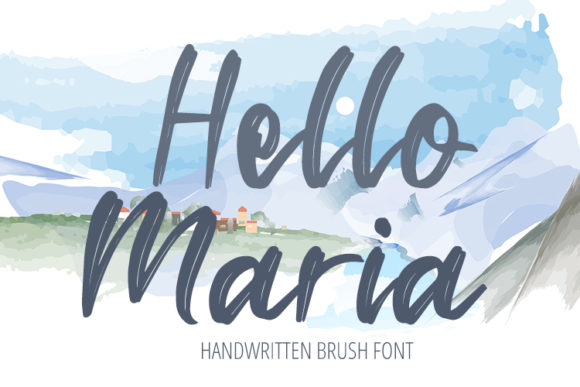
Hello Maria is a beautiful and flowing handwritten font, created to make each of your designs come alive. Its natural and unique style makes it incredibly fitting to a large pool of designs. But beyond its aesthetic appeal, the rise of fonts like this signals a broader evolution in how businesses communicate their values. As we navigate a saturated digital landscape, the ability to stand out requires more than just clean lines; it demands authenticity.
The Shift from Sterile to Soulful in Modern Branding
For the past decade, the dominant trend in web design and corporate branding has been minimalism. We have embraced sans-serif fonts, stark white space, and geometric precision. While these elements offer clarity and speed, they often result in a homogenized visual language where every brand looks indistinguishable from the next. A tech startup, a boutique coffee shop, and a consulting firm might all rely on the same standard system fonts, stripping away the unique personality of the business.
This is where the relevance of Hello Maria becomes apparent. It represents a counter-movement to the sterile perfection of modern UI/UX design. In a world where consumers are bombarded with thousands of automated messages daily, there is a growing craving for content that feels hand-crafted. The "handwritten" aesthetic is no longer just a stylistic choice; it is a psychological cue that suggests care, effort, and individual attention. When a professional uses a font like Hello Maria, they are implicitly telling their audience, "This was made by a human, for a human."
Aligning with Consumer Expectations for Authenticity
Market research consistently shows that modern consumers, particularly younger demographics, prioritize authenticity over polish. They can easily spot a mass-produced template or a generated image. Consequently, brands are under pressure to demonstrate their human side. This is evident in the rise of "behind-the-scenes" content, personal storytelling on social media, and direct-to-consumer interactions that feel conversational rather than transactional.
The typography used in these communications plays a pivotal role. Hello Maria is a beautiful and flowing handwritten font, created to make each of your designs come alive. By integrating this typeface into newsletters, landing pages, or social graphics, creators can break the monotony of block text. The fluid strokes mimic the rhythm of a person writing a note, which subconsciously lowers the viewer's defenses and increases trust. This is particularly crucial for freelancers and solopreneurs who rely heavily on building personal relationships with their clients.
Practical Applications in Professional Workflows
One of the most common misconceptions about decorative or handwritten fonts is that they are limited to hobbyist projects or greeting cards. However, the versatility of Hello Maria allows it to integrate seamlessly into high-stakes professional environments. The key lies in strategic application and pairing.
- Editorial and Content Marketing: For bloggers and content creators, headlines set in Hello Maria can transform a standard article into a compelling narrative. It draws the eye immediately, encouraging users to stop scrolling and engage with the text. When paired with a clean, neutral serif or sans-serif body font, it creates a sophisticated hierarchy that guides the reader through the story.
- Brand Identity for Creative Industries: Designers, photographers, and artists often struggle to find a logo or header font that captures their unique voice without looking chaotic. Hello Maria offers a balance between structure and flow. Its natural and unique style makes it incredibly fitting to a large pool of designs, ranging from wedding planning services to artisanal product packaging.
- Direct Response Marketing: Email marketing remains one of the highest ROI channels for entrepreneurs. Subject lines and call-to-action buttons written in a flowing script can significantly improve open rates and click-through rates. The font acts as a visual hook, suggesting that the message inside is personal and exclusive.
Furthermore, the integration of such fonts into digital workflows supports the broader trend of "human-centric design." As tools like AI become more prevalent in generating copy and images, the scarcity of genuine human touch increases its value. Using a font that explicitly references handwriting is a way to reclaim that human element in a digitized workflow.
Enhancing User Experience Through Emotional Design
User experience (UX) is often discussed in terms of load times, navigation paths, and accessibility. However, emotional design is an equally critical component. How does a user feel when they interact with a website? If the typography is cold and distant, the interaction may feel functional but forgettable. If the typography invites warmth, the interaction becomes memorable.
Hello Maria contributes to this emotional layer. The varying stroke widths and the slight irregularities in the letterforms create a sense of movement. Unlike static, rigid typefaces, it feels alive. This dynamic quality keeps the user engaged longer, reducing bounce rates and increasing the time spent on page. For marketers, this translates to better opportunities to convey complex ideas or tell a brand story effectively.
The Future of Typography in a Digital-First World
As we look toward the future of digital communication, we will likely see a continued divergence between the hyper-efficient and the deeply personal. While AI will undoubtedly handle the bulk of data processing and basic content generation, the "soul" of a brand will remain the domain of human creativity. Typography is one of the primary vehicles for expressing that soul.
The demand for fonts like Hello Maria indicates that the market is maturing. Users are becoming more discerning, and the novelty of generic minimalism is wearing off. Businesses that fail to adapt to this desire for character risk becoming invisible commodities. Conversely, those that embrace distinctive, expressive typography will differentiate themselves in a crowded marketplace.
This trend also reflects a change in lifestyle expectations. In a fast-paced, always-on culture, people are seeking moments of pause and reflection. A beautifully rendered headline using a flowing script can serve as a momentary breath, inviting the reader to slow down and appreciate the message. It transforms the act of reading from a task into an experience.
Conclusion: Embracing the Human Element
The journey of digital design is cyclical, moving between periods of strict order and bursts of expressive chaos. Currently, we are in a phase where the pendulum is swinging back towards expression and individuality. For professionals and creators, this presents a unique opportunity to redefine their visual identity.
Hello Maria stands as a testament to the power of thoughtful design choices. It is not merely a collection of characters; it is a tool for storytelling. By choosing a typeface that embodies flow and nature, designers align themselves with a broader cultural shift that values authenticity above all else. Whether you are launching a new venture, revamping a corporate website, or crafting a personal brand, the decision to incorporate such a distinct font can be the difference between being seen and being remembered.
In the end, the most effective designs are those that resonate on a human level. As we continue to build our digital futures, let us remember that behind every screen is a person waiting to connect. Fonts like Hello Maria provide the bridge, turning cold pixels into warm conversations.